


In May, Mark Carney’s transport minister stood behind a podium and promised Canadian air travellers that the era of waiting was over. “For too long, Canadians have been left waiting while complaints pile up and accountability falls short. That ends now,” Steven MacKinnon declared in a government news release.
Five months later, the same minister was asked on Parliament Hill why airlines can cancel flights, claim “safety-related maintenance,” move the perfectly good plane to another route, and walk away without paying passengers a dime. His answer, as reported by CBC News: “I’m reluctant to give them instructions directly.”
That’s not “that ends now.” That’s a shrug.
The loophole everyone can see
Under Canada’s Air Passenger Protection Regulations, travellers can be entitled to up to $1,000 when a flight is delayed for reasons within the airline’s control. But if the disruption is “required for safety,” the airline owes nothing. You can guess which box the airlines like to tick.
CBC’s Go Public team has now documented cases at both Air Canada and WestJet where flights were cancelled for supposed maintenance, the working aircraft was used elsewhere, and passengers were denied compensation.
One example: a Gatineau man whose Montreal-to-Bogota flight was cancelled for “unforeseen aircraft maintenance.” When he took his claim to the Canadian Transportation Agency (CTA), Air Canada submitted documents about a plane damaged by a catering truck. He dug in and found that the damaged plane wasn’t the one originally assigned to his flight. The regulator sided with him and ordered the compensation paid, but, according to CBC, declined to issue any penalty even though he asked for one.
Air Canada’s own explanation to CBC? Moving planes around, cancelling flights and denying compensation is a “commercial decision.”
Consumer advocates have been begging Ottawa for years to close the safety-maintenance loophole. The European Union, CBC notes, only lets airlines cite maintenance in rare circumstances. Canada still hasn’t followed.
“The CTA is the regulator”
When Conservative transport critic Dan Albas pressed MacKinnon at the finance committee on whether swapping aircraft to another route counts as a safety exemption, the minister’s reply was five words: “The CTA is the regulator.”
That’s technically true and completely beside the point. The CTA enforces the rules. The government writes them. If the regulations let airlines hide behind a maintenance label, the fix sits on the minister’s desk, not the regulator’s. Hiding behind an “independent agency” is a way to avoid owning a problem the government has known about for years.
Gabor Lukacs of Air Passenger Rights told CBC he is “profoundly troubled that this type of dishonest behaviour is going unpunished,” and said the only thing that would stop it is “profit-altering fines.” A Vancouver traveller put it more simply: if an airline can wrongly deny compensation, lose the dispute, and face no penalty, “what incentive does it have to comply?”
A backlog the size of a small city
The loophole would matter less if passengers could get a quick hearing. They can’t.
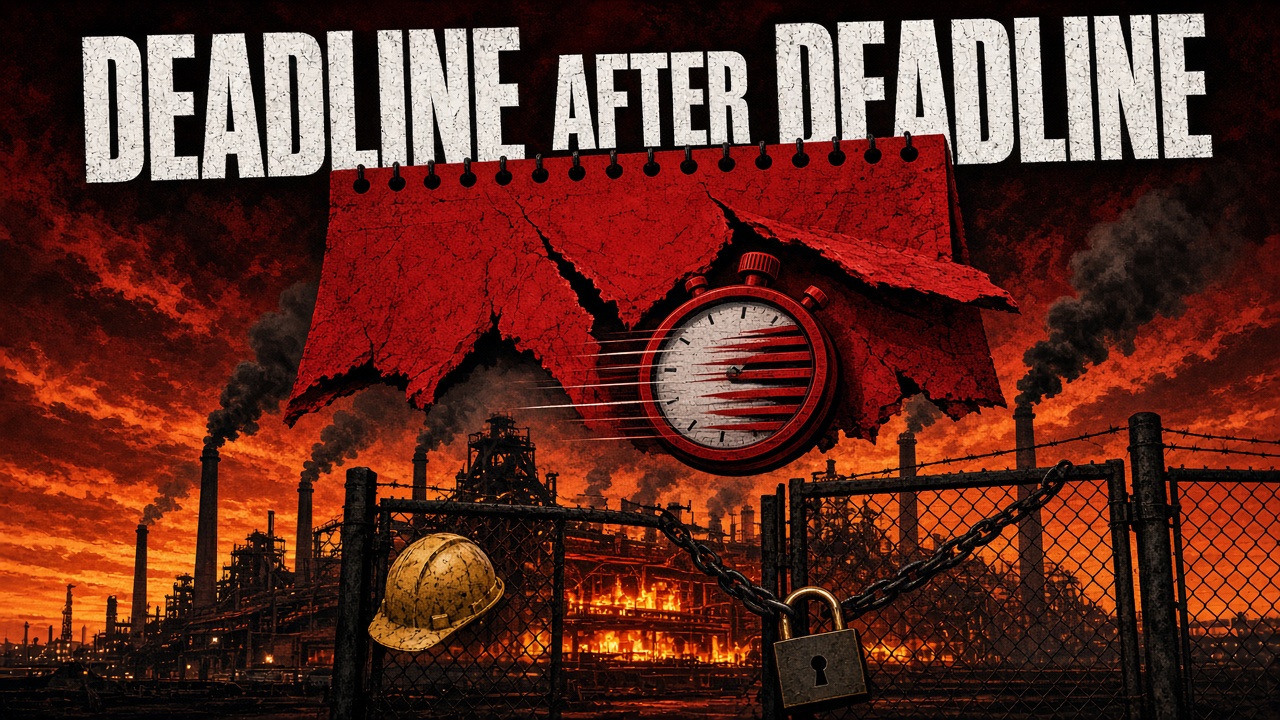
The CTA’s own case status page warns that it “may take in excess of 24 months” before a complaint is even reviewed. In testimony prepared for the Senate finance committee, the agency reported an average of 715 days from submission to closure, and said Air Canada alone accounts for 40% of the backlog, with WestJet at 26%.
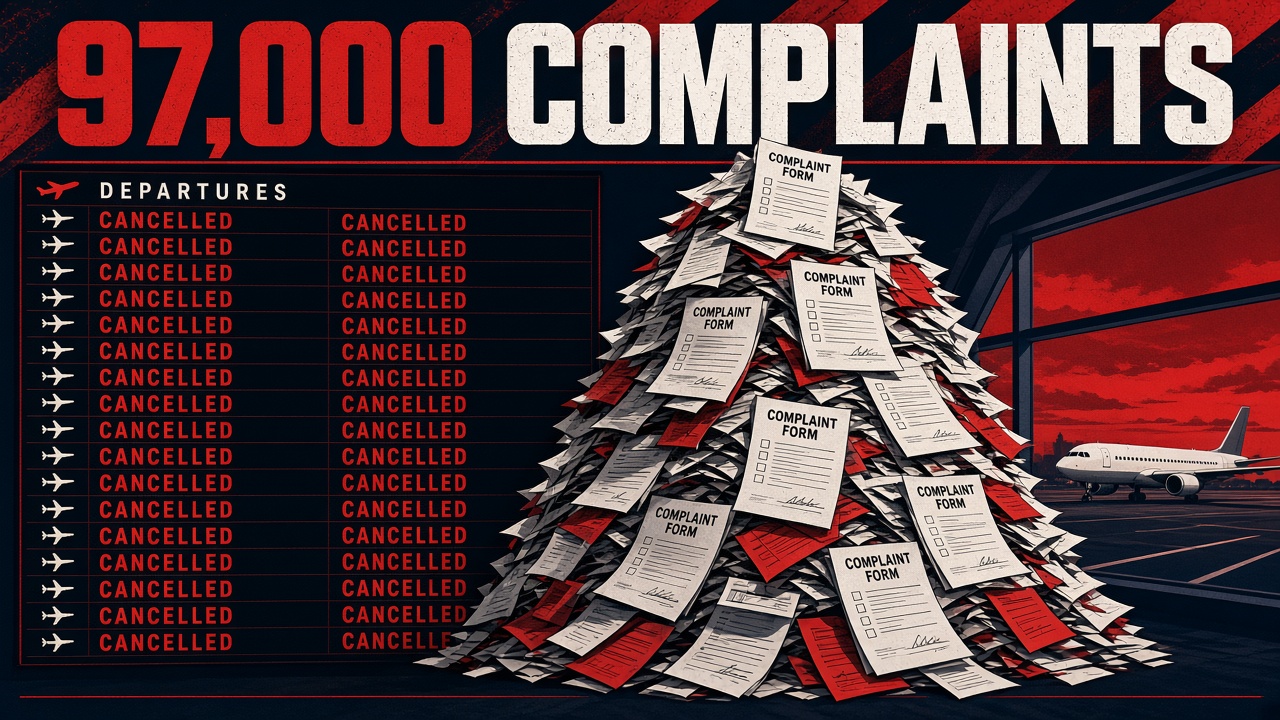
The government’s own May release put the backlog at more than 97,000 complaints. By late September, Money.ca reported a record 98,000. The agency closed 32,379 complaints in 2025-26 while 44,071 new ones came in. The pile is still growing.
The fix that won’t come with a date
Carney’s answer, tucked into his omnibus budget bill C-31, is to hand the backlog to a private third-party dispute resolution firm and give the CTA power to fine systemic violations up to $1 million. On paper, fine.
In practice, The Hill Times reported on October 24 that Ottawa says a private contractor can clear the backlog faster, but won’t say how long it would take. A Senate committee is already warning that the process of choosing a provider could cause further delays.
So the promise of May (“we are delivering it”) has become October’s “we can’t tell you when.” And the shiny new $1-million fines mean nothing if the minister won’t even push his regulator to use the penalties it already has.
What this says about the government
This isn’t a hard case. Nobody is defending an airline’s right to misstate which plane broke. The fix is simple: tighten the definition of safety-related maintenance, require proof tied to the actual aircraft, and fine carriers who get caught. The EU already does something like it.
Instead, Canadians get a minister who promised accountability, then declared himself “reluctant” the moment accountability required him to act. That’s the Carney pattern in a nutshell: big announcements, glossy releases, and then a polite shrug when the follow-through gets awkward.
More than 97,000 complaints are still waiting. Those passengers were told it ends now. It didn’t.
Please consider helping!
Awake Freedom TV On Roku is Broken! 🙂

I could no longer maintain the costs on my own, so I moved the off of a dedicated server which was needed for the TV platform to work. On top of that, I want to build an app Awake Freedom TV app, for mobile phones. We need your help to first resurrect our TV channel, and then build the mobile app. In order to do that, I need a minimum of 800/month on subscription payments. Please help anyway you can with the form below.

Leave A Comment