


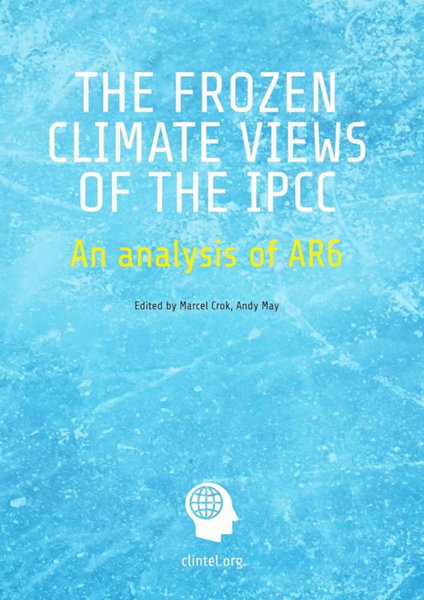
Let the Climate Canaries speak
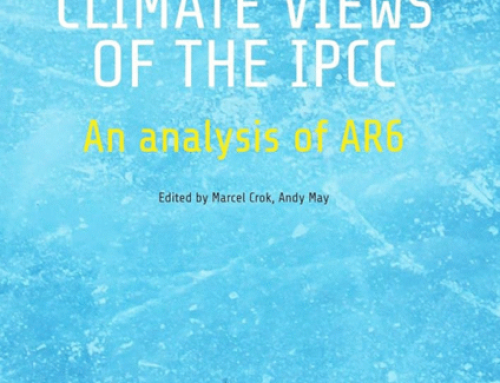
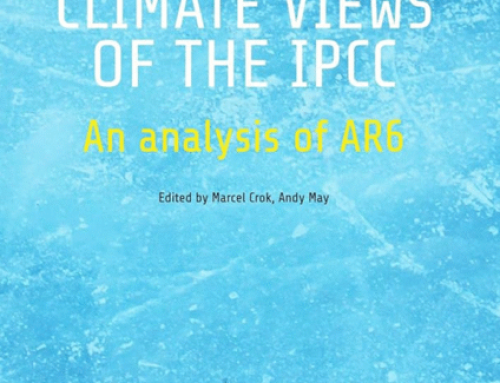
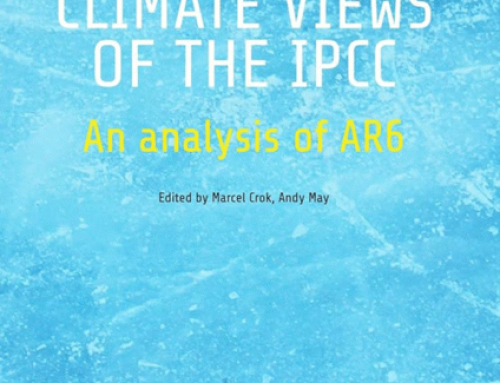
The book Canary in a Climate World brings together 38 contemporary thought leaders from across science and other critical disciplines. Together, they present a body of work that challenges the Net Zero narrative and many of the assumptions driving modern climate policy.
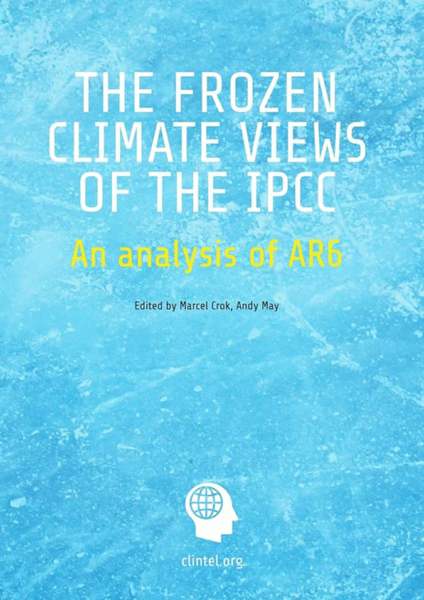

Canary in a Climate World – Climate Realism vs. The Net Zero Myth
Clintel Foundation
Date: 25 August 2026
Canary in a Climate World is the third volume in the Canary series and brings together 38 contemporary thought leaders from across science, economics, law, public policy, engineering, and other critical disciplines. Together, they present a body of work that challenges the climate narrative. The chapter by William Happer, called The Climate Cult, is a striking example.
The contributions are not fringe voices. They are experienced, highly credentialed individuals whose work spans disciplines and decades. Many have contributed to major scientific research, advised governments, or played leading roles in their respective fields. Many of them are well known climate sceptics, like Patrick Moore, Vijay Jayaraj, Anthony Watts, Gregory Wrightstone, Willie Soon, Henrik Svensmark, Richard Lindzen and Ian Plimer.
Across these chapters, a consistent pattern emerges, not of speculation, but of evidence, analysis, and experience that has too often been overlooked or excluded from mainstream discussion. While their areas of focus differ, a common thread runs through their work: the climate narrative, as it is commonly presented, does not reflect the full breadth of available evidence.
Covid
While this book stands on its own, it did not emerge in isolation. The earlier volumes, Canary in a Covid World: How Propaganda and Censorship Changed Our (My) World and Canary in a (Post) Covid World: Money, Fear and Power, brought together contributors from across disciplines who were raising concerns that, at the time, were frequently censored, marginalised, professionally challenged or publicly ridiculed. In time, many of those concerns proved to be well founded and the books went on to become bestsellers.
Those books reached a wide audience and revealed something deeper. Patterns of information control, consensus enforcement, and the marginalisation of dissent were not isolated, but part of a broader dynamic. Those same patterns can now be seen in the climate debate. Several contributors in this volume also explore parallels between the Covid era and the climate debate, including the role of institutional narratives, public messaging, censorship, and consensus enforcement.
Net Zero
Net Zero, the increasingly influential global policy goal aimed at reducing or offsetting carbon dioxide emissions, has rapidly reshaped energy systems, public policy, finance, and industry across much of the world. The current drive toward Net Zero, and the framing of carbon dioxide as an inherent danger, does not align with the evidence explored In these chapters.
There is also a broader question that arises. As climate policy expands into a multi-trillion-dollar global enterprise, shaping energy systems, financial markets, and regulatory frameworks, it is reasonable to ask who stands to benefit from its direction, and how those incentives may influence the narrative. Within this book, contributors examine not only the science, but also the broader context.
Many of these contributors are no longer bound by the institutional constraints that often shape academic and policy-driven research. In environments where funding, publication, and professional advancement can depend on alignment with prevailing assumptions, independent voices can be difficult to sustain. Freed from those pressures, they are able to speak more openly, question more directly, and follow the evidence where it leads.
The canary once served as an early warning in the coal mines. Today, these 38 Canaries are doing the same. The question is whether we are prepared to listen and to examine the evidence with an open mind.
The article you have just read was made possible by our donors.
Every day, Clintel publishes articles on climate, energy and science. We also translate and share international analyses in multiple languages, produce videos, publish reports and organize conferences and events around the world.
We receive no government funding and rely entirely on the support of our donors. Your support helps us promote independent research and contribute to a more open and balanced debate on climate and energy issues.
Would you like to support our work? Choose the option that suits you best:
• Become a Friend of Clintel – support us with an annual contribution
• Make a recurring donation – provide ongoing support and help us plan ahead
• Make a one-time donation – every contribution helps
Thank you for your support.
more news

Deployable Energy’s new compact nuclear reactor
The American company Deployable Energy has developed a compact nuclear reactor in a very short space of time. Energy and climate expert Andy May is enthusiastic about it.

The Energy Nobody Counts
We spend a great deal of time discussing how much energy our electricity systems can “produce” but far less attention is given to a different question: how much energy does it take to build them in the first place? Energy expert dr. Lars Schernikau explains why this is important.

“Svensmark’s research must continue”
Henrik Svensmark has lost his position at the Technical University of Denmark (DTU), and the research field he helped establish is being significantly downgraded. Now private donors, companies, philanthropic foundations and research funders around the world have an opportunity to demonstrate whether they genuinely support scientific freedom – including research where the politically convenient answer is not known in advance, says Karl Iver Dahl-Madsen.
The post Let the Climate Canaries speak appeared first on Clintel.
Please consider helping!
Awake Freedom TV On Roku is Broken! 🙂
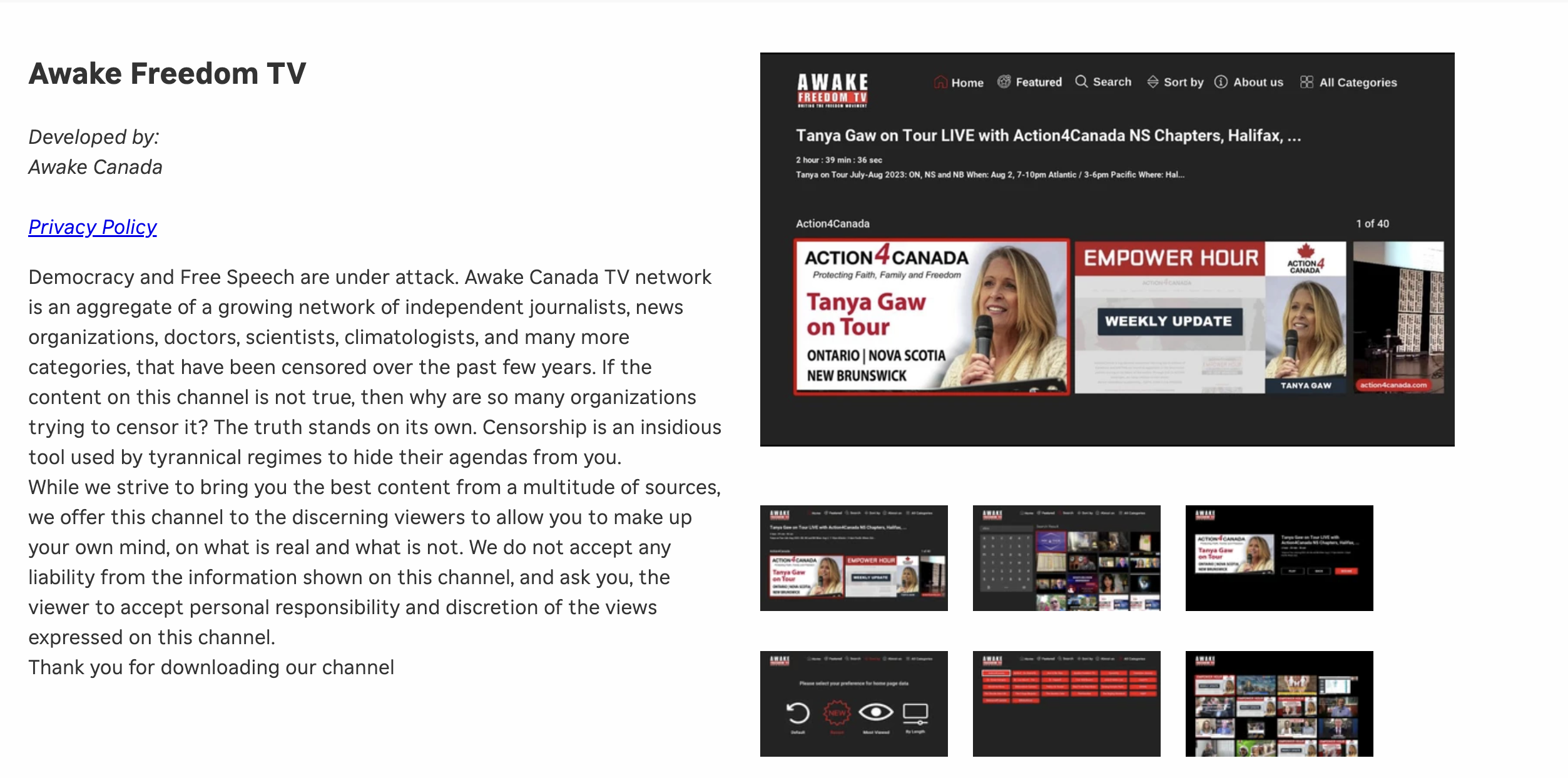
I could no longer maintain the costs on my own, so I moved the off of a dedicated server which was needed for the TV platform to work. On top of that, I want to build an app Awake Freedom TV app, for mobile phones. We need your help to first resurrect our TV channel, and then build the mobile app. In order to do that, I need a minimum of 800/month on subscription payments. Please help anyway you can with the form below.

Leave A Comment