


Anika Sweetland: From Climate Anxiety to Climate Scepticism
Australian Anika Sweetland spent much of her life convinced that the climate catastrophe was approaching. In an interview with Tom Nelson, Sweetland explains how she changed her mind. Her new book, A LOAD OF BOLLOCKS? The Trillion Dollar Climate Scare was released on 1 November, shortly after the interview was recorded.
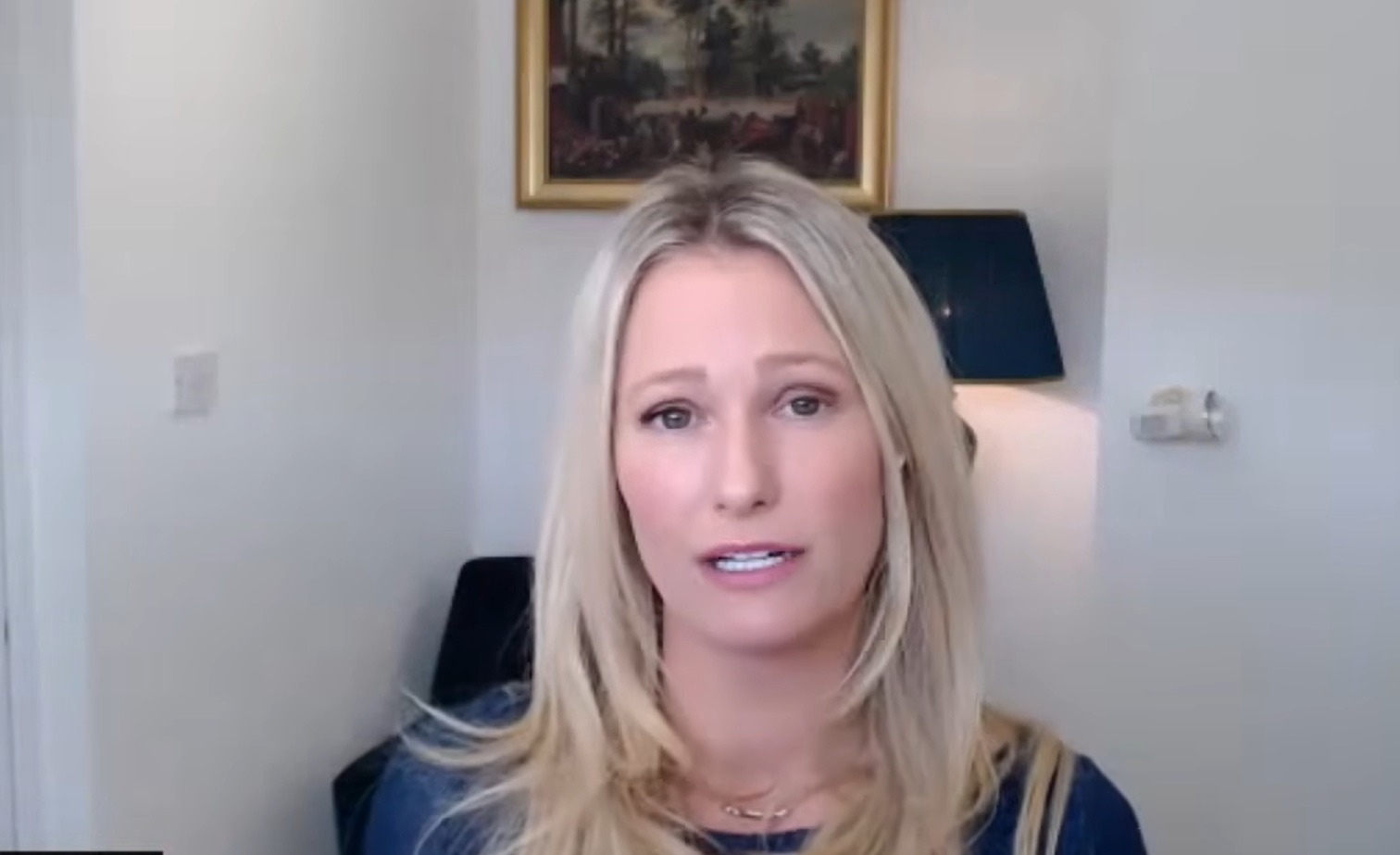
Anika Sweetland
Clintel Foundation
Date: 4 November 2026
Sweetland studied climate science, followed apocalyptic headlines obsessively and wanted to help governments save the planet. But after years of fear and intensive research, she began questioning the predictions she had once accepted as unquestionable truths.
You can see the entire interview by Tom Nelson below:
Sweetland’s story begins at the age of ten, when a school assignment prompted her to investigate global warming. Reading predictions that the Great Barrier Reef would become an environmental wasteland, she became deeply concerned about the future. Instead of spending the six weeks allocated to the assignment, she produced a 30-page report overnight. The experience marked the beginning of an enduring fascination with climate catastrophe.
Anxiety
As a teenager, she collected newspaper articles and eventually enrolled in a climate science degree at the University of Western Australia. Her ambition was to become an adviser to the climate minister and help avert the impending disaster. Yet the constant anxiety took a personal toll. During university, she suffered severe abdominal pain, spent months struggling with her health and eventually ended up in hospital, fearing she might die.
Sweetland says the psychological burden of believing that the world was heading towards catastrophe contributed to her suffering. She also points to the wider consequences of climate anxiety among young people, including fear about having children and uncertainty about whether a safe future is possible. In her view, teaching children that their world is doomed is irresponsible, particularly when alarming predictions are presented without adequate scrutiny.
COVID-19
Her change of perspective began gradually. Moving to England exposed her to the economic and social consequences of net-zero policies, including high energy bills. During the COVID-19 lockdowns, she began researching climate claims more intensively. She says she had devoted years to studying the subject but had rarely questioned the assumptions underpinning what she had been taught.
One turning point was discovering how closely contemporary warnings about global warming resembled earlier predictions of catastrophic global cooling. Sweetland argues that both sets of headlines invoked food shortages, famine, displacement and extreme weather. This prompted her to examine the evidence behind individual claims rather than simply accepting expert assurances.
She began investigating crop yields, polar bear populations, sea-level rise and predictions of environmental disaster. Sweetland maintains that the evidence she encountered often contradicted the alarming narratives she had accepted. She cites rising global food production and questions longstanding predictions that entire island nations would disappear beneath the waves. Her argument is not that people should automatically reject climate science, but that they should check whether specific predictions have materialised.
Media
Sweetland is particularly critical of the media’s handling of failed forecasts. If newspapers frighten readers with predictions that subsequently prove wrong, she argues, they have a responsibility to acknowledge their mistakes. She believes the same standard should apply to climate education in schools.
The discussion also turns to energy policy. Sweetland questions the economics of wind and solar power, highlighting the materials required to manufacture turbines and the costs of maintaining and replacing them. She argues that the difficulty of delivering reliable electricity exposes tensions within net-zero ambitions. She also contrasts the lengthy approval processes facing conventional power stations with the UK government’s efforts to accelerate nuclear projects intended to supply data centres.
For Sweetland, these issues raise broader questions about political accountability and the concentration of power. She believes catastrophic environmental narratives can make the public more willing to accept centralised solutions, even when those policies impose substantial economic costs.
The interview closes on the hope that people who currently accept climate catastrophe narratives might eventually reconsider them. Sweetland advises approaching such conversations patiently: challenging one claim, such as predictions of falling crop yields, may be enough to encourage someone to investigate further.
Sweetland’s new book, A LOAD OF BOLLOCKS? The Trillion Dollar Climate Scare, published by Free Speech Press, was released on 1 November 2026.
The article you have just read was made possible by our donors.
Every day, Clintel publishes articles on climate, energy and science. We also translate and share international analyses in multiple languages, produce videos, publish reports and organize conferences and events around the world.
We receive no government funding and rely entirely on the support of our donors. Your support helps us promote independent research and contribute to a more open and balanced debate on climate and energy issues.
Would you like to support our work? Choose the option that suits you best:
• Become a Friend of Clintel – support us with an annual contribution
• Make a recurring donation – provide ongoing support and help us plan ahead
• Make a one-time donation – every contribution helps
Thank you for your support.
more news
COP31: the show must go on
COP31 in Turkey is upon us (9-20 November). David Wojick explains what to look out for. “The beginning of the end of COPs might even be on the table.”
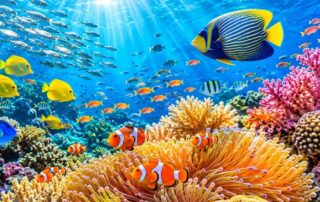
Fish boomed when CO2 was five times higher and Earth was 5–8°C warmer
A new study shows that ocean life thrived with extremely high CO2 and very warm water, says Jo Nova. This runs totally counter to the catastrophe the IPCC is marketing.

The Great Famine of the 21st Century
A cautionary tale of our future climate by David Siegel.
The post Anika Sweetland: From Climate Anxiety to Climate Scepticism appeared first on Clintel.
Please consider helping!
Awake Freedom TV On Roku is Broken! 🙂
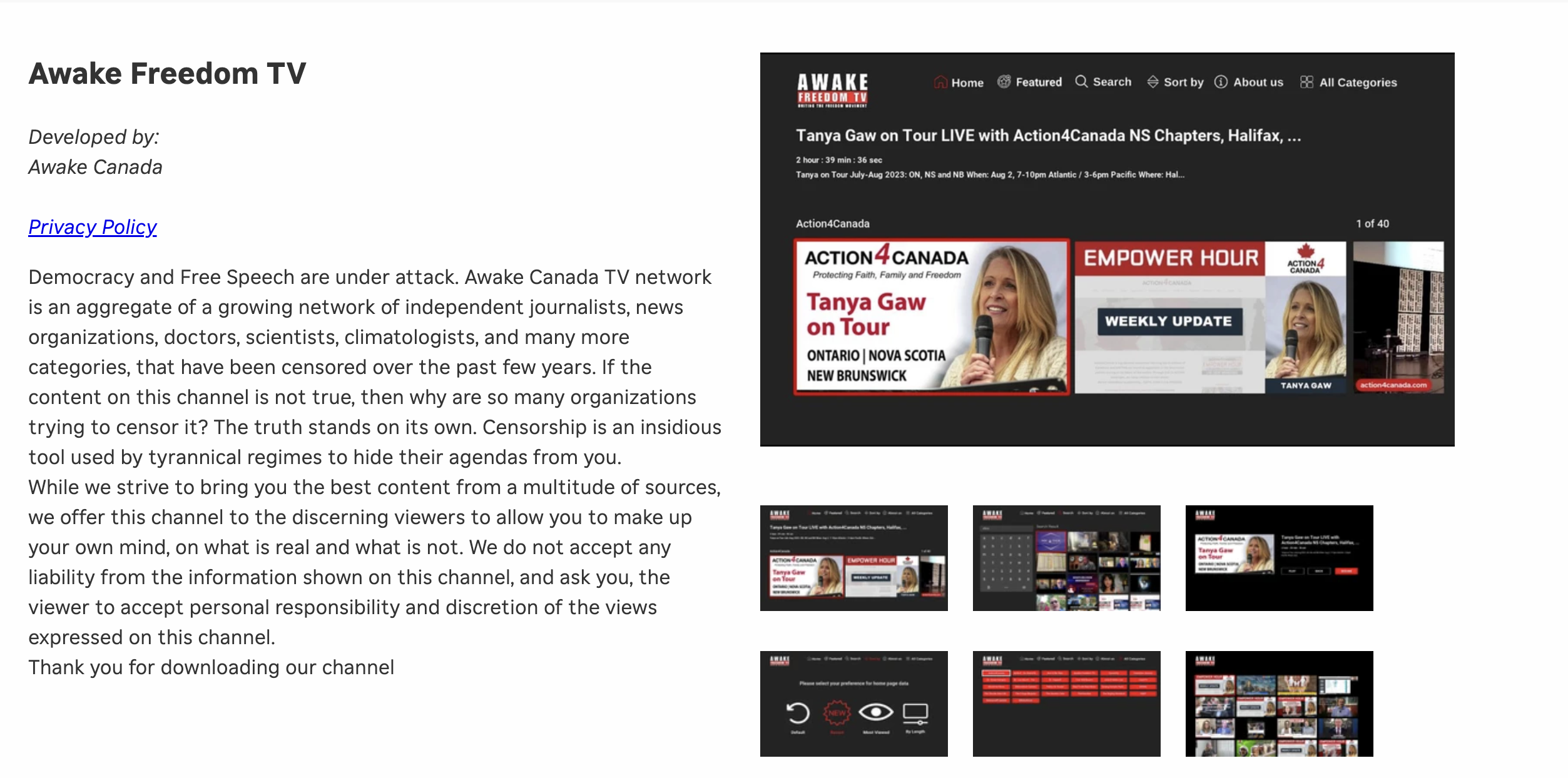
I could no longer maintain the costs on my own, so I moved the off of a dedicated server which was needed for the TV platform to work. On top of that, I want to build an app Awake Freedom TV app, for mobile phones. We need your help to first resurrect our TV channel, and then build the mobile app. In order to do that, I need a minimum of 800/month on subscription payments. Please help anyway you can with the form below.

Leave A Comment