


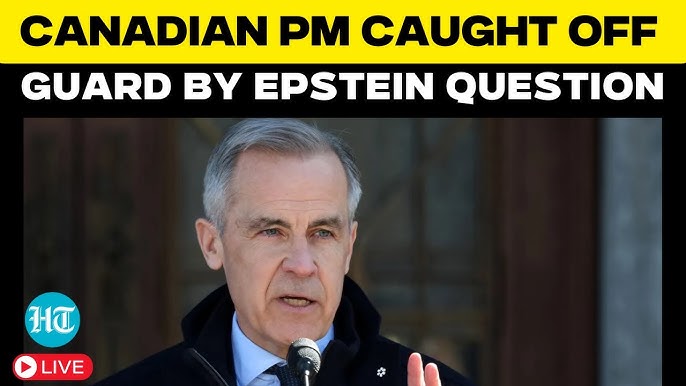
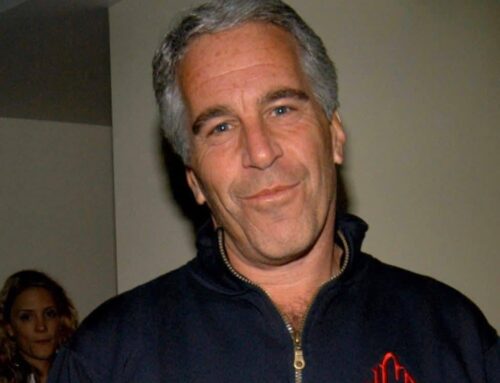
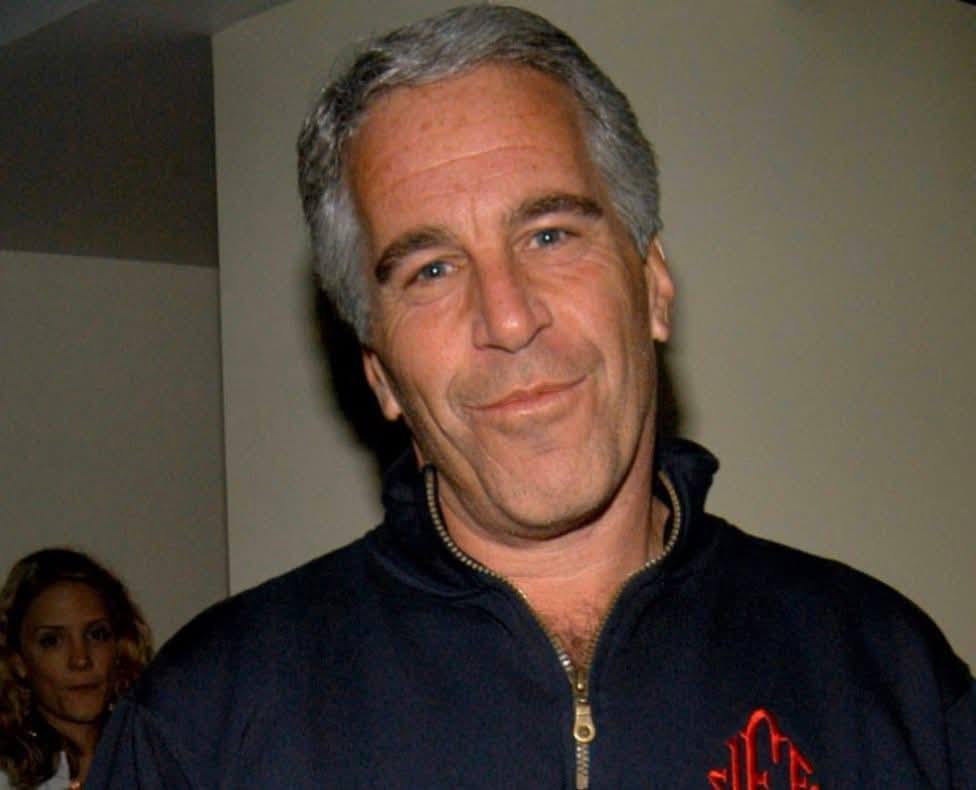
In the swirling vortex of global politics, finance, and scandal, few names evoke as much intrigue and controversy as Jeffrey Epstein. The late financier, convicted sex offender, and architect of a web of influence that snared some of the world’s most powerful figures, continues to cast a long shadow even years after his death. Now, as fresh revelations from the Epstein files ripple through the corridors of power, questions are mounting about Canadian Prime Minister Mark Carney and his alleged connections to this notorious network. With recent high-profile arrests in the United Kingdom shaking the establishment to its core, one can’t help but wonder: how long until Carney’s Epstein ties catch up with him?
The Recent Wave of Arrests: A Turning Point in UK History
The last 60 days have marked a seismic shift in the United Kingdom’s approach to accountability among its elite. It began in late December 2025, when former Prime Minister Tony Blair was arrested on suspicion of misconduct related to his interactions with Jeffrey Epstein. Blair, who served as UK’s leader from 1997 to 2007 and was instrumental in shaping modern British foreign policy, including the Iraq War, had long been rumored to have ties to Epstein. Documents released by the U.S. Justice Department in early 2026 revealed that Blair met Epstein in Downing Street in 2002, facilitated by then-MP Peter Mandelson. The meeting, initially described as a brief discussion on U.S.-UK politics, has since been scrutinized for potential exchanges of sensitive information.
According to the Epstein files, Blair’s name appeared in correspondence where Epstein boasted of his “close relationship” with the former PM, even years after Blair claimed to have severed ties. The arrest stemmed from allegations that Blair received “gigantic” consultancy sums post-office—figures reportedly in the millions—from clients connected to Epstein’s network, including the Kazakh government. Elaborating on the details, Blair was taken into custody on December 22, 2025, following a raid on his properties in London and Buckinghamshire. Authorities cited evidence of “misconduct in public office,” including the potential sharing of confidential government insights during his time as PM. Blair’s spokesperson dismissed the charges as “politically motivated rubbish,” but the arrest sent shockwaves through Westminster, marking the first time a former British Prime Minister has faced such legal action in modern history.
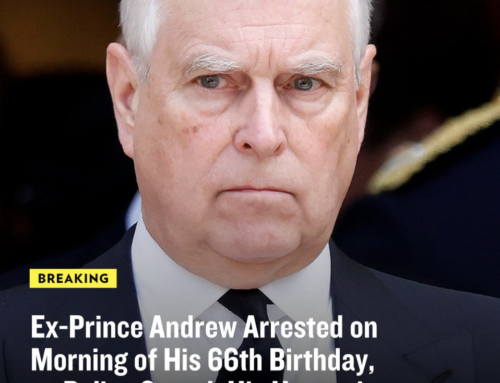
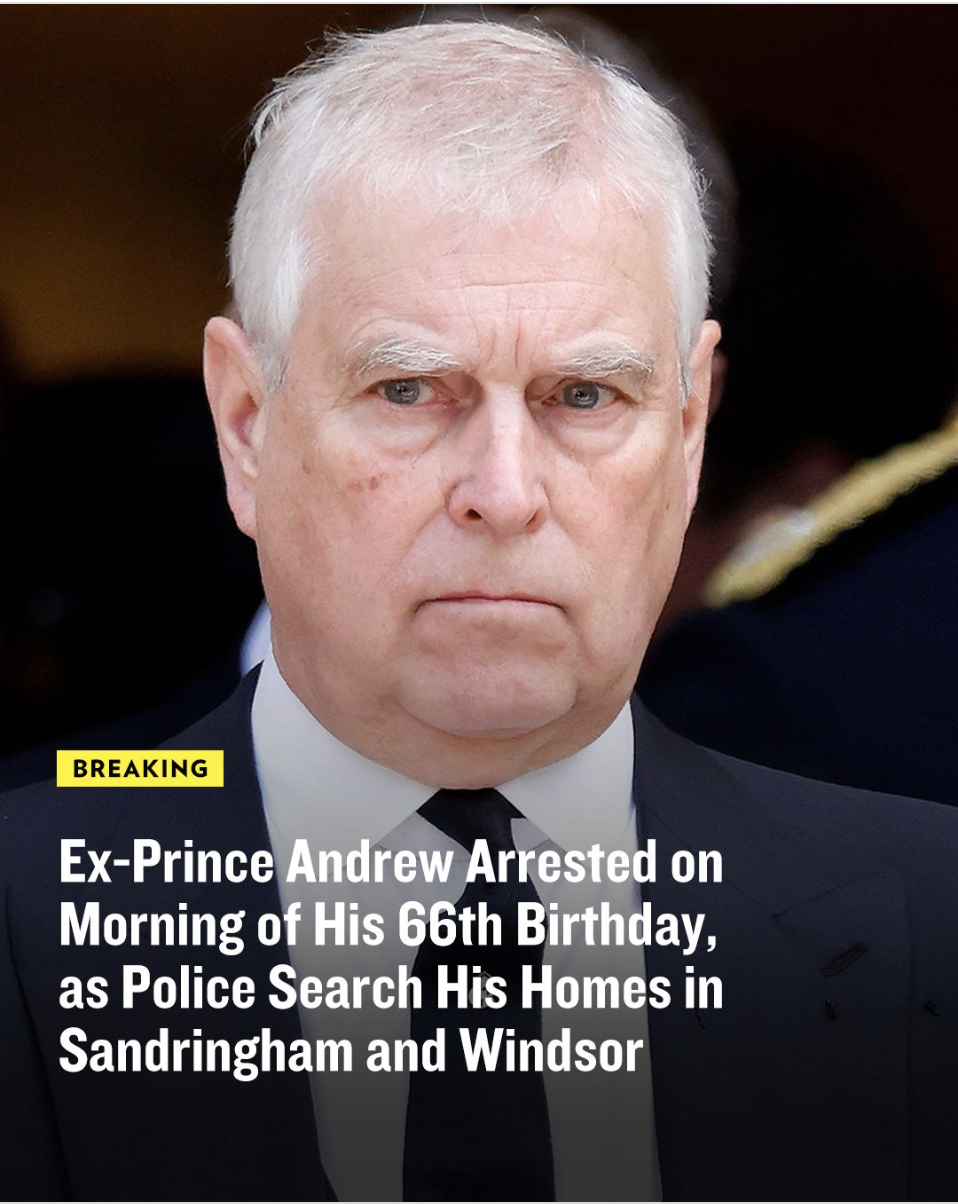
Fast forward to today, February 19, 2026, and the drama escalated further with the arrest of Andrew Mountbatten-Windsor, formerly known as Prince Andrew. The King’s younger brother was detained on his 66th birthday at his residence on the Sandringham estate in Norfolk. Thames Valley Police confirmed the arrest on suspicion of misconduct in public office, linked directly to his well-documented ties to Epstein. Revelations from the latest batch of Epstein documents showed that Andrew allegedly shared confidential government information with the financier during his tenure as UK trade envoy from 2001 to 2011. This included details on international trade deals and diplomatic strategies, potentially compromising national interests.
The arrest followed weeks of mounting pressure, including calls from anti-royal organizations and members of Parliament for a full investigation. Police raids extended to properties in Berkshire and Norfolk, where authorities are searching for further evidence. King Charles III issued a statement expressing “deepest concern” but emphasized that “the law must take its course.” This makes Andrew the first senior British royal to be arrested in nearly 400 years, a historic blow to the monarchy’s aura of invincibility. Together, the arrests of Blair and Andrew represent two of the biggest takedowns in UK history, signaling that no one—not even former heads of government or royalty—is above the law when it comes to the Epstein scandal.
Tying In the Globalist Agenda: The UK’s Role in a Larger Web
These arrests don’t occur in a vacuum. They are symptomatic of a broader reckoning with what many critics call the “globalist agenda”—a network of interconnected elites pushing for centralized control over economies, policies, and societies. Epstein’s island and private jet were hubs for this agenda, where billionaires, politicians, and royals allegedly mingled, exchanging favors and influence. In the UK, this agenda has manifested through institutions like the Bank of England, the European Union (pre-Brexit), and international forums such as the World Economic Forum (WEF).
Mark Carney, now Canada’s Prime Minister, embodies this globalist ethos. As former Governor of the Bank of England from 2013 to 2020, Carney was a key player in shaping post-financial crisis policies, advocating for climate-focused financial regulations and closer international cooperation. His name has surfaced repeatedly in Epstein-related discussions, with conspiracy theorists pointing to mentions in the files—appearing dozens of times, mostly in news clippings from his Bank of England days. While fact-checks have debunked viral images showing Carney with Epstein as AI-generated fakes, the persistence of these claims highlights a deeper unease. Carney attended events where Epstein associates like Ghislaine Maxwell were present, and during the 2025 Canadian election, opponents heckled him over alleged ties.
The UK’s globalist ties run deep, from Blair’s “Third Way” politics that aligned Britain with U.S. neoconservatism to the royal family’s symbolic role in maintaining Commonwealth unity. Epstein’s network allegedly exploited these connections, using the UK as a bridge between American finance and European aristocracy. The arrests of Blair and Andrew suggest that the walls are closing in on this agenda, exposing how it has undermined national sovereignty in favor of elite interests.
Hope for Commonwealth Countries: Could This Be the Exit from the Crown We All Need?
For the 56 nations of the Commonwealth—many of which still recognize the British monarch as head of state—these developments offer a glimmer of hope. Could this be the catalyst for a mass exit from the Crown’s influence? The arrests underscore the monarchy’s vulnerabilities, revealing it not as an untouchable institution but as one entangled in scandals that erode public trust.
Imagine a scenario where the fallout from Andrew’s arrest snowballs: public outrage leads to calls for abolishing the monarchy or at least stripping it of ceremonial powers in Commonwealth realms. Countries like Canada, Australia, and Jamaica—already debating republicanism—could accelerate referendums. In Canada, where Carney serves as PM, the Epstein ties (alleged or otherwise) might fuel anti-globalist sentiment, linking the Crown to a tainted elite. A domino effect could follow: Barbados ditched the monarchy in 2021; others might follow suit if the royal family crumbles under scrutiny.
How could this happen? First, legal proceedings against Andrew could implicate other royals, such as through shared correspondence or family knowledge of his Epstein links. If evidence emerges of a cover-up—perhaps involving King Charles or palace officials—it could trigger constitutional crises. Parliamentary inquiries might expand to examine the Crown’s role in diplomacy and trade, areas where Epstein’s influence allegedly penetrated. Public pressure, amplified by social media and international media, could force Commonwealth heads to reconsider allegiance to a disgraced institution.
The arrests could lead far: bringing down the whole royal family. Andrew’s case might expose systemic issues, like the use of public funds to shield royals from accountability (e.g., his 2022 settlement with accuser Virginia Giuffre). If Blair’s trial reveals deeper globalist machinations involving the Crown, it could dismantle the facade of impartiality. Ultimately, this could pave the way for a post-monarchy era, where Commonwealth nations reclaim full sovereignty, free from colonial remnants.
Carney’s Reckoning: Are His Ties Catching Up?
Back to Mark Carney. As Canada’s leader, he’s navigated economic turbulence and climate policy with a globalist lens, but the Epstein shadow looms. His name’s appearance in the files—69 times, per some reports—though innocuous on the surface, fuels speculation. No direct correspondence exists, but in an era where AI-faked images and heckling rallies have dogged him, how long before a deeper probe?
The UK’s arrests set a precedent: if Blair and Andrew can fall, so can Carney. Perhaps a U.S. or Canadian investigation uncovers overlooked links, or whistleblowers emerge. For Commonwealth citizens yearning for independence, Carney’s potential downfall could symbolize the unraveling of globalist strings tied to the Crown.
In the end, these scandals remind us that power unchecked breeds corruption. As the Epstein saga unfolds, hope lies in accountability—perhaps leading to a freer, more sovereign future for all.
Please consider helping!
Awake Freedom TV On Roku is Broken! 🙂

I could no longer maintain the costs on my own, so I moved the off of a dedicated server which was needed for the TV platform to work. On top of that, I want to build an app Awake Freedom TV app, for mobile phones. We need your help to first resurrect our TV channel, and then build the mobile app. In order to do that, I need a minimum of 800/month on subscription payments. Please help anyway you can with the form below.





Leave A Comment